
Podcast Clip Strategy: Turn One Episode Into 10 Pieces of Content
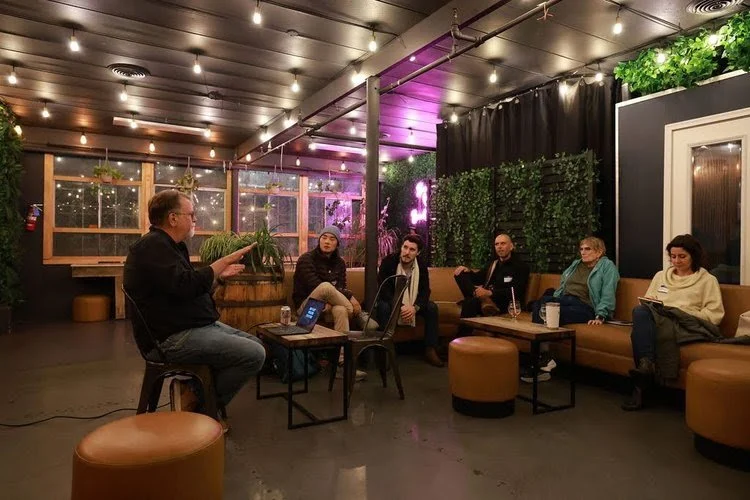
CALIFORNIA PODCAST ASSOCIATION RECAP: 20 Years in Podcasting
Last month, we had the pleasure of hosting a special meetup featuring Podcast Hall of Famer Chris Christensen of the Amateur Traveler podcast, one of the most iconic independent travel podcasts ever created. The event, titled 20 Years in Podcasting, was a candid and insight-packed conversation about what it really takes to build and sustain a podcast audience over two decades.
Chris has been publishing episodes longer than most of the platforms we use today even existed. His longevity is a masterclass in consistency, community, and passion-driven content.
Here are a few standout themes from the evening:
Consistency beats virality. Chris has published episodes nearly every week for 20 years.
Niche audiences are loyal audiences. Listeners who found Amateur Traveler stayed because the content was always delivered.
Authenticity scales. Even as podcasting grew more competitive, staying true to his voice kept Chris relevant.
The long game pays off. Two decades of back catalog means new listeners have hundreds of episodes to explore.
For association podcasters, Chris's journey is a powerful reminder: your members do not need flashy production. They need trust, value, and a consistent reason to hit play.
Chris put it plainly: Stop chasing trends. Pick a lane, serve your audience, and show up every single time. The audience will find you if you do not quit.
Takeaway: If you are in the early innings of your association podcast, commit to the long game. The compounding effect of 50, 100, 200 episodes is real and it is worth every minute.
Next month we have speaker Dan Morris: How to Grow your Podcast (Without Social Media)
Podcast Clip Strategy
Why this matters:
Your podcast is not just another content stream. It is your association's most human and versatile communication tool. Whether you are amplifying your event strategy, improving member onboarding, or generating ROI from your existing content, the key is consistency, clarity, and connection.
Practical frameworks like the Content Flywheel and Retention Ladder
Common challenges faced by associations and how to overcome them
Real examples of podcast-driven engagement and retention
Templates and workflows used by top association teams
THE 10 CLIPS: What One Episode Can Become
The headline promises it, so here is the actual list. Record one episode and you have everything you need to produce all ten of these:
Audiogram for LinkedIn (30 to 60 seconds with captions)
Pull quote graphic for Instagram or X
Email teaser to your member list with a link to the full episode
Show notes blog post on your association website
Short video clip for Instagram Reels or YouTube Shorts
Member spotlight callout in your next print or digital newsletter
Annual report highlight using a key quote or stat from the episode
New member onboarding email featuring the episode as a welcome resource
Event or conference promo clip if the guest is a speaker
Board report stat showing listens, engagement, or sponsor impressions
MAKING THE CASE TO LEADERSHIP
One of the hardest parts of running an association podcast is not the production. It is justifying the investment to the people who approve the budget.
The Budget Multiplier Argument
One recorded episode, distributed across 10 touchpoints, means your organization is getting 10x the value from a single production investment. You are not spending more. You are making what you already spend go further.
That is a story your board can understand.
WHAT THIS LOOKS LIKE IN PRACTICE
Here is a simple scenario. Your association records one episode at your annual conference with a well-known industry speaker. That single recording becomes an audiogram shared on LinkedIn before the conference recap email goes out, a pull quote used in the post-event member newsletter, a clip embedded in onboarding materials for new members joining that quarter, and a highlight featured in your year-end board report showing active content production. That is 60 days of content from one hour of recording. No new workflow required. Just a smarter use of what you already have.
A note on time: This approach does not add work to your plate. It reorganizes the work you are already doing. Most association teams can implement a basic clip workflow in under two hours with a simple checklist.
ACTION STEPS
Identify one area where your podcast is not being fully leveraged (social media, onboarding, or events)
Use the 10 Clips list above and circle the three that fit your association best right now
Measure how your episode supports strategic goals such as engagement, visibility, and retention
Share one clip this month and note the response before investing more time
QUICK WIN
Try this now: Use member testimonials or stories in your episodes and clip them for reels, quote cards, and end-of-year compilations. One great member story equals 10 or more pieces of content and gives your members a reason to share it with their own networks.
To close out I would like to wish you a Happy Organize Your Home Office Day
Here are five great ways to celebrate:
Tackle the cable chaos. Round up every loose cord, label them, and use cable ties or a simple cable box to tame the mess. It takes about 20 minutes and makes an immediate visual difference.
Do a ruthless paper purge. Go through every pile, drawer, and folder. Shred what you no longer need, file what you do, and set up a simple inbox system so paper has a home going forward.
Reassess your desk layout. Think about what you reach for most and make sure those things are within arm's reach. Everything else can move to a drawer, shelf, or out of the room entirely.
Clear your digital desktop too. Organize your computer files, empty the downloads folder, unsubscribe from email lists you never read, and delete apps you have not opened in months. Your physical and digital space are equally important.
Add one thing that makes the space yours. After the cleaning and sorting, treat yourself to something small that makes the office feel good to be in, whether that is a plant, a new desk lamp, a photo, or just rearranging things so the space finally feels right.
A clean, organized workspace has a real effect on focus and energy. I am glad you cant see my office right now. Please imagine it perfectly clean and tighty.
Talk soon,
Mike